
When homeowners call us to start a project, there is often a date already in mind.
"We would love to be finished before the holidays."
"Our daughter's graduation party is in June."
"We are hoping to be back in the house by summer."
Those goals are completely reasonable, and many of them are achievable. The challenge is that most people picture a remodel as the weeks of demolition, framing, tile, and cabinetry they will see happening in their home. What they do not picture is the months of design, engineering, pricing, permitting, and ordering that come first.
Understanding the full timeline is one of the most valuable things a homeowner can do before starting a remodel. It shapes when you should start planning, when you should move out, and how much stress you will feel along the way.
Two Phases: Preconstruction and Construction
Every remodel has two distinct phases.
Preconstruction includes everything that happens before construction begins: design, engineering, pricing, permitting, and procurement. For most projects in the Sacramento region, this phase takes three to six months.
Construction is the active building period, from demolition through final walkthrough. This is the part most people think of as "the remodel."
Here is a typical preconstruction breakdown for a kitchen or primary bath remodel, drawn from the 2026 Tankersley Remodeling Index.
Initial consultation and scoping: one to two weeks. A site walk, budget alignment, and the start of project development.
Design development: four to ten weeks. Floor plans, elevations, finish selections, and structural engineering.
Pricing and proposal: four to six weeks. A detailed scope document, subcontractor bids, and a contract.
Permitting: six to fourteen weeks. Review times vary by jurisdiction. Placer County, which includes Granite Bay and Loomis, has averaged eight to twelve weeks.
Material procurement: eight to sixteen weeks. Custom cabinetry, tile, plumbing fixtures, and windows are ordered. Much of this can overlap with permitting when decisions are made early.
Kickoff meeting: one week. The schedule is locked, site logistics are planned, and a communication cadence is established.
Then, finally, construction begins.
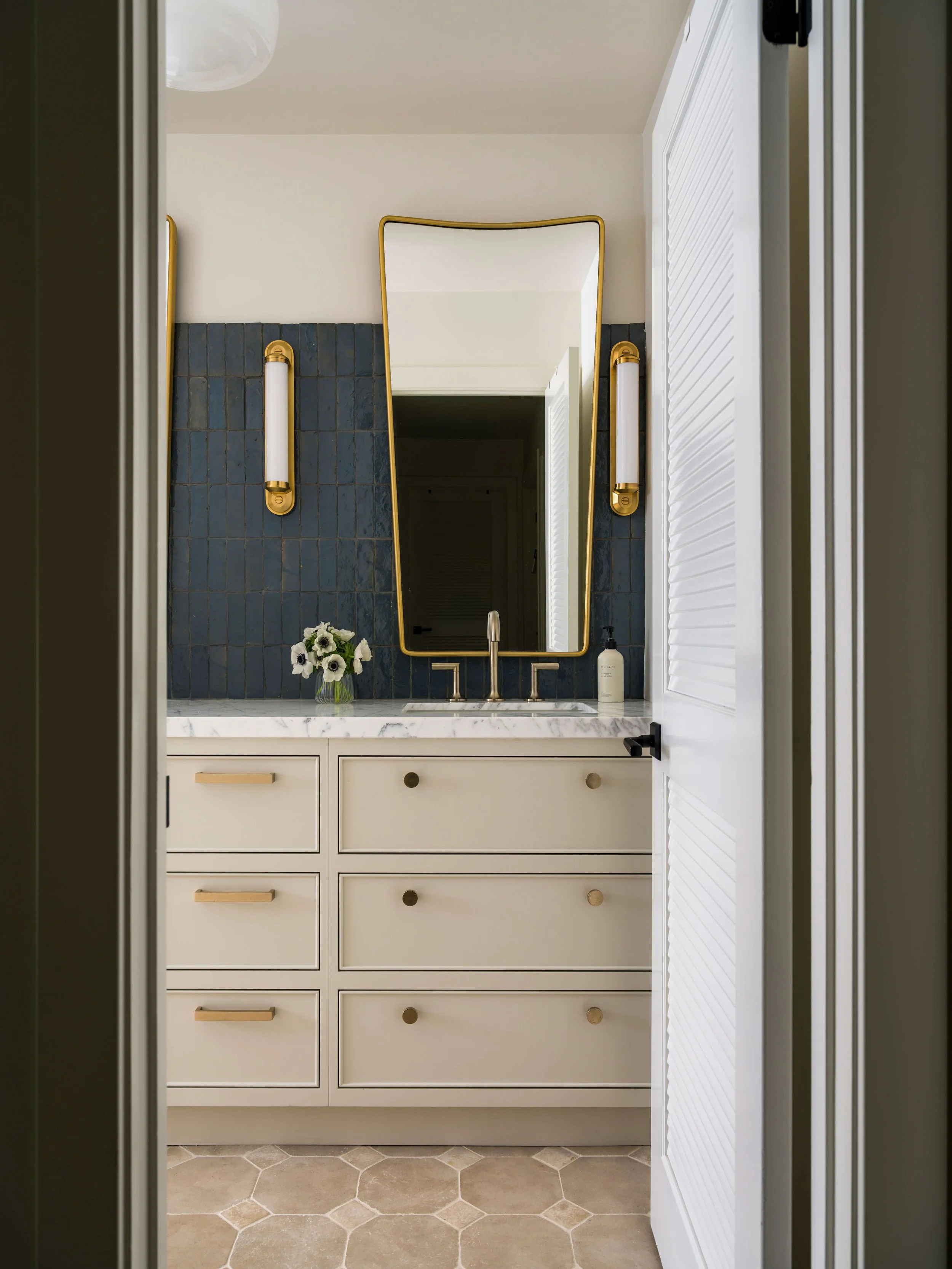
How Long Construction Takes by Project Type
Once preconstruction is complete, these are the typical durations for active construction in the Sacramento region.
Powder Bath: three to five weeks. Tile and fixtures drive the schedule.
Guest Bath: five to eight weeks. Plumbing relocation or heated floors add time during rough-in.
Primary Bath: eight to fourteen weeks. Custom tile layouts, steam systems, and millwork extend the finish phase.
Kitchen: ten to eighteen weeks. Cabinet lead times of eight to sixteen weeks often dictate the overall schedule.
Whole-Home Remodel: six to eighteen months. Highly variable, depending on phasing and the scope of systems work.
Luxury Addition: eight to fourteen months. Foundation, framing, and the connection to the existing structure are the critical path.
Custom Home: twelve to sixteen months. Design and entitlement often add another four to eight months before ground breaks.
Putting It Together: A Real-World Example
Imagine a family in El Dorado Hills who decides in January that they want to remodel their kitchen.
If they begin design in February, they can reasonably expect to finalize drawings and selections by April, receive pricing in May, and secure permits by early summer. With cabinetry ordered during permitting, construction might begin in July and wrap up in October or November.
That family will be cooking in their new kitchen for the holidays. But only because they started planning nearly a year in advance.
Now imagine the same family waits until August to call a contractor, hoping to be finished by Thanksgiving. Even with the most efficient team in the region, that timeline is simply not realistic.
What Slows Projects Down
In our experience, the most common causes of delay are surprisingly predictable.
Procurement. Custom cabinetry lead times of twelve to twenty weeks are common today, and imported stone and European plumbing fixtures carry long lead times with little flexibility. Projects that start ordering late face compressed schedules during construction.
Late decisions. Every selection that has not been made before construction becomes a potential pause in the schedule.
Hidden conditions. Older homes in East Sacramento, Land Park, Curtis Park, Arden, and Carmichael often reveal outdated wiring, plumbing, or framing once walls are opened.
HOA review. Gated communities in Granite Bay, El Dorado Hills, Gold River, and Rancho Murieta often require architectural approval for exterior work, which should be built into the schedule from the start.
Trade availability. Skilled tile setters, finish carpenters, and licensed plumbers remain in high demand, particularly for projects above $300,000.
Why Longer Planning Usually Means a Faster Remodel
It may seem counterintuitive, but the projects that spend the most time in preconstruction are almost always the ones that move most smoothly once construction begins.
When appliances are selected, cabinet drawings are approved, tile is ordered, and engineering questions are answered before demolition, the construction team can work continuously. When those decisions are still open, the schedule stops every time a question comes up. And a remodel that keeps stopping takes longer, costs more, and creates far more stress for the family living through it.
Start Earlier Than You Think
If there is one takeaway from all of this, it is simple: start planning sooner than feels necessary.
For a kitchen or primary bath, we recommend reaching out six to nine months before you hope to begin construction. For a whole-home remodel or addition, nine to twelve months is more realistic. That timeline gives you room to make thoughtful decisions, secure permits, order materials, and begin construction with confidence.
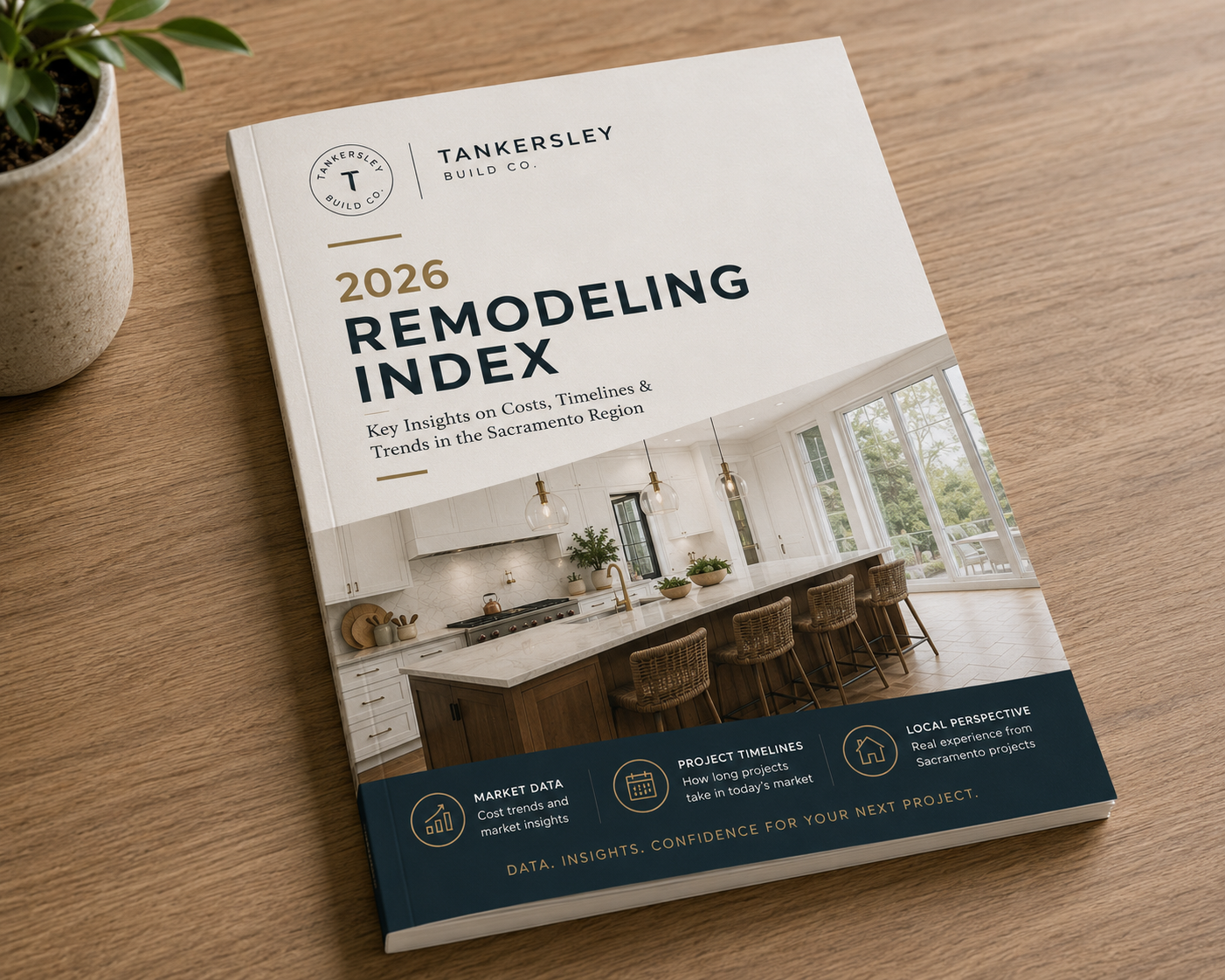
At Tankersley Build Co., we would much rather have an early conversation than a rushed one. The full 2026 Tankersley Remodeling Index includes these timelines along with current cost ranges for every project type, so you can plan both your schedule and your budget before you ever pick up a hammer.
Ready to Start Planning?
Whether you are planning a kitchen, a primary suite, an addition, or a whole-home remodel, the best time to talk with a builder is before the design is finished. Start by reviewing the Tankersley Remodeling Index for current cost ranges and timelines, then schedule a discovery call with our team. We will talk through your goals, timeline, and investment range and help you decide on the right next step.