What You Need to Know Before Buying Kitchen Cabinets: A Luxury Homeowner's Guide to Cabinet Construction, Materials, Finishes, and Value
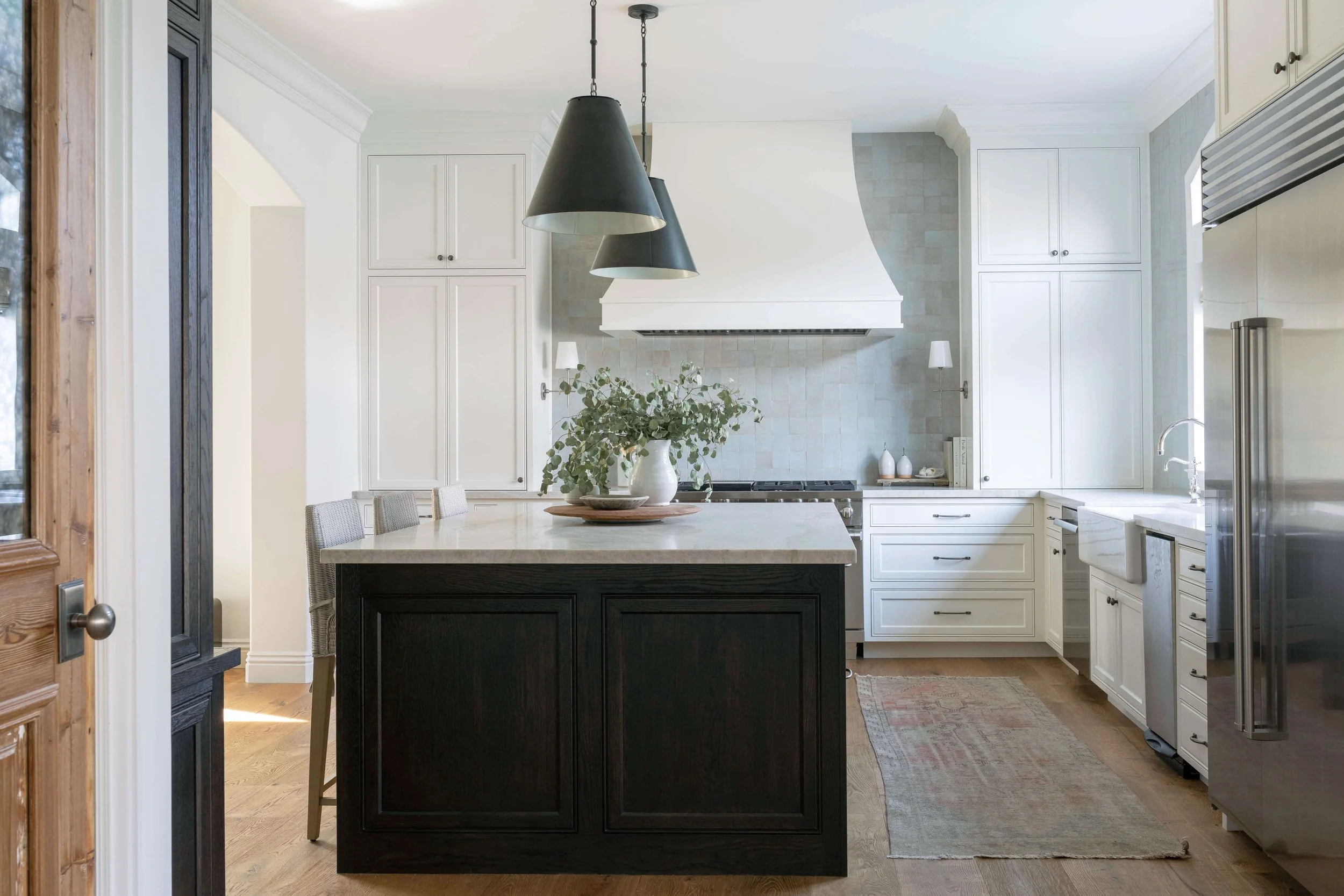
Walk into three different cabinet showrooms and you'll quickly discover that every company claims to build a superior product. One manufacturer highlights solid wood construction. Another emphasizes European engineering. A third focuses on custom finishes or premium hardware. To homeowners planning a luxury kitchen remodel, the differences can feel overwhelming, particularly when two cabinets that appear nearly identical carry dramatically different price tags.
The reality is that cabinetry is one of the most misunderstood investments in a home renovation. Most homeowners naturally focus on the visible details—the door style, paint color, or hardware finish—while overlooking the engineering and craftsmanship hidden behind the doors. Yet those unseen details often determine how well a kitchen performs five, ten, or twenty years after installation.
Whether you're planning a luxury kitchen remodel in Granite Bay, renovating a historic home in East Sacramento, or building a custom home in Loomis, understanding how cabinets are built will help you make better decisions and invest your budget where it matters most.
Cabinetry Is Furniture, Not Just Storage
One of the biggest misconceptions we encounter is the belief that cabinets are simply boxes attached to a wall. In reality, high-quality cabinetry is closer to fine furniture than it is to a building material. Every cabinet becomes part of the architecture of the home while also serving one of the hardest-working functions in the house.
Unlike flooring or paint, cabinetry is opened and closed thousands of times every year. Drawers carry significant weight. Moisture, temperature changes, cooking oils, and sunlight constantly challenge the finish. A well-built cabinet should still operate smoothly decades after installation, which is why construction methods matter just as much as appearance.
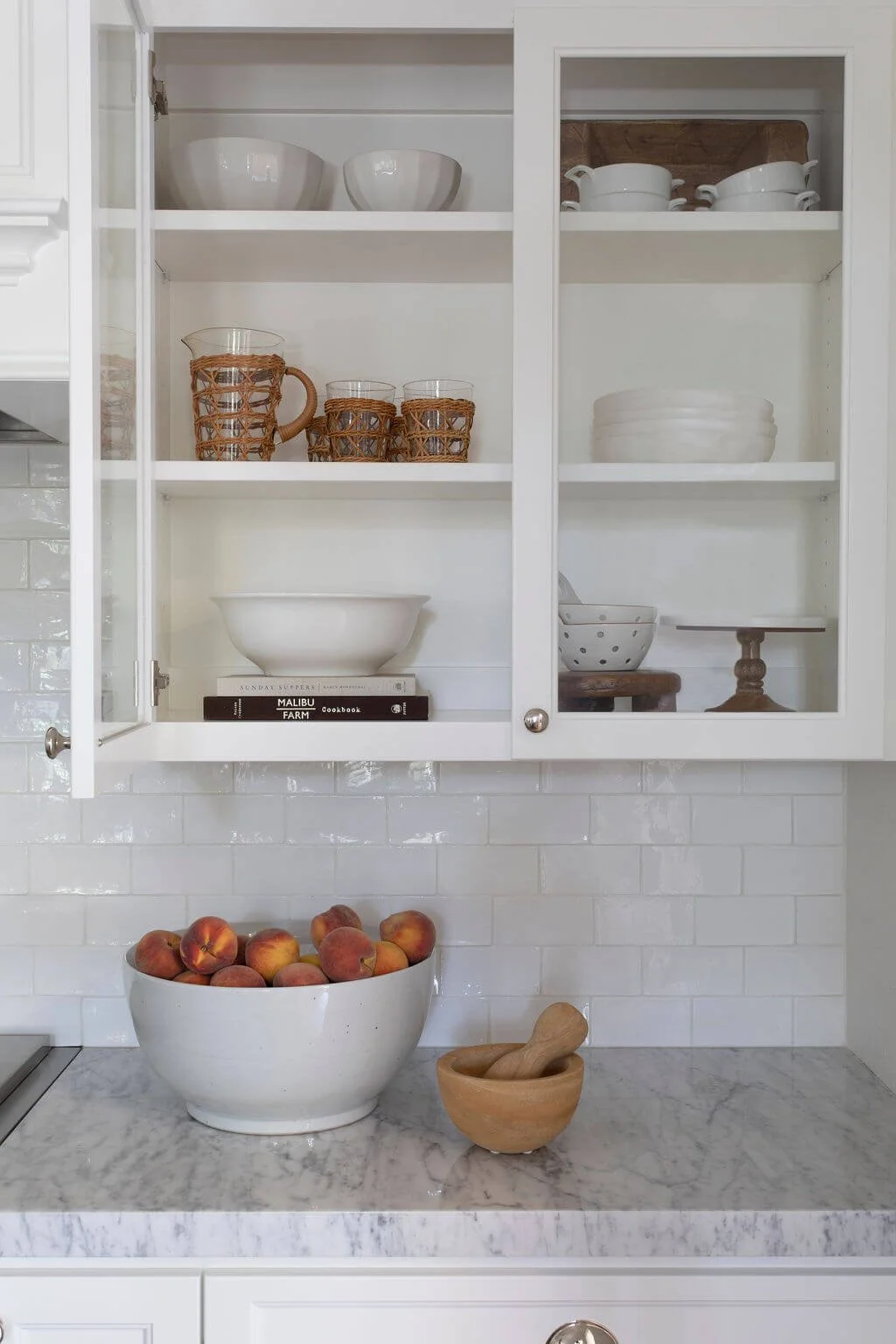
Face Frame vs. Frameless (European) Cabinets
One of the first decisions homeowners encounter is whether to choose traditional face-frame cabinetry or frameless, often referred to as European-style cabinetry.
Face-frame cabinets include a solid hardwood frame attached to the front of the cabinet box. This approach has been the standard in American cabinetry for generations and offers excellent rigidity while creating a timeless appearance that works beautifully in traditional, transitional, and many luxury homes.
Frameless cabinets eliminate the face frame entirely. Instead, the doors attach directly to the cabinet box, allowing slightly wider drawer openings and creating the clean, modern lines that have become popular in contemporary kitchens.
Neither system is inherently better.
For a contemporary home in Granite Bay or a modern custom home in El Dorado Hills, frameless cabinetry often complements the architecture beautifully. In contrast, a classic East Sacramento Tudor or a farmhouse-inspired home in Loomis may feel more authentic with face-frame construction.
The best choice is usually the one that complements the overall architecture rather than simply following current trends.
Overlay, Inset, and Why Door Style Matters
Homeowners often confuse cabinet construction with cabinet door style, but they're different decisions.
Overlay doors cover most or all of the cabinet frame and dominate today's luxury remodeling market because they create clean, uninterrupted lines.
Inset cabinetry takes the opposite approach. Each door sits perfectly inside the face frame, creating precise shadow lines that immediately communicate craftsmanship. Achieving those tolerances requires exceptional manufacturing and installation, making inset cabinetry one of the most expensive cabinet styles available.
If your goal is a truly bespoke kitchen, inset cabinetry is difficult to surpass. However, homeowners should understand that precision comes with additional cost and longer lead times.
Plywood vs. Melamine Cabinet Boxes
Few topics generate more debate than cabinet box construction.
Many homeowners assume plywood is always superior because it has long been associated with premium cabinetry. Plywood certainly offers excellent screw-holding strength, impressive structural performance, and exceptional durability, particularly in environments where moisture may become an issue.
Melamine, however, has evolved significantly.
High-quality engineered melamine panels provide an exceptionally smooth, durable interior surface that resists staining, wipes clean easily, and remains remarkably stable over time. Many premium European cabinet manufacturers use melamine interiors exclusively, not because they're cutting costs, but because they believe it's the better material for the application.
Where homeowners should be cautious is assuming all melamine is created equal. Premium engineered panels perform very differently than lower-cost particleboard products often found in entry-level imported cabinetry.
Material quality matters more than the label itself.
Conversion Varnish vs. Painted Cabinets
Perhaps no finish influences long-term cabinet performance more than the coating applied in the factory.
Many homeowners assume "paint is paint." It isn't.
Conversion varnish has become one of the gold standards in luxury cabinetry because it chemically cures into an extremely durable finish that resists moisture, chemicals, scratches, and everyday wear far better than conventional paints.
That doesn't mean it is indestructible. Every painted cabinet will eventually develop small signs of use, particularly around frequently touched doors and drawers. However, professionally applied conversion varnish dramatically slows that aging process while producing a smoother, more consistent finish.
When investing hundreds of thousands of dollars into a luxury kitchen remodel, the finish deserves as much consideration as the cabinetry itself.
Custom, Semi-Custom, or Imported?
This is often where homeowners experience the greatest sticker shock.
Imported cabinetry has improved dramatically over the past decade. Many manufacturers now produce attractive products with soft-close hardware and modern finishes at competitive prices. For investment properties or modest renovations, these cabinets can represent excellent value.
Semi-custom cabinetry occupies the middle ground. Homeowners gain access to a broader selection of sizes, finishes, storage accessories, and modifications without paying the premium associated with fully custom manufacturing.
Custom cabinetry offers something entirely different.
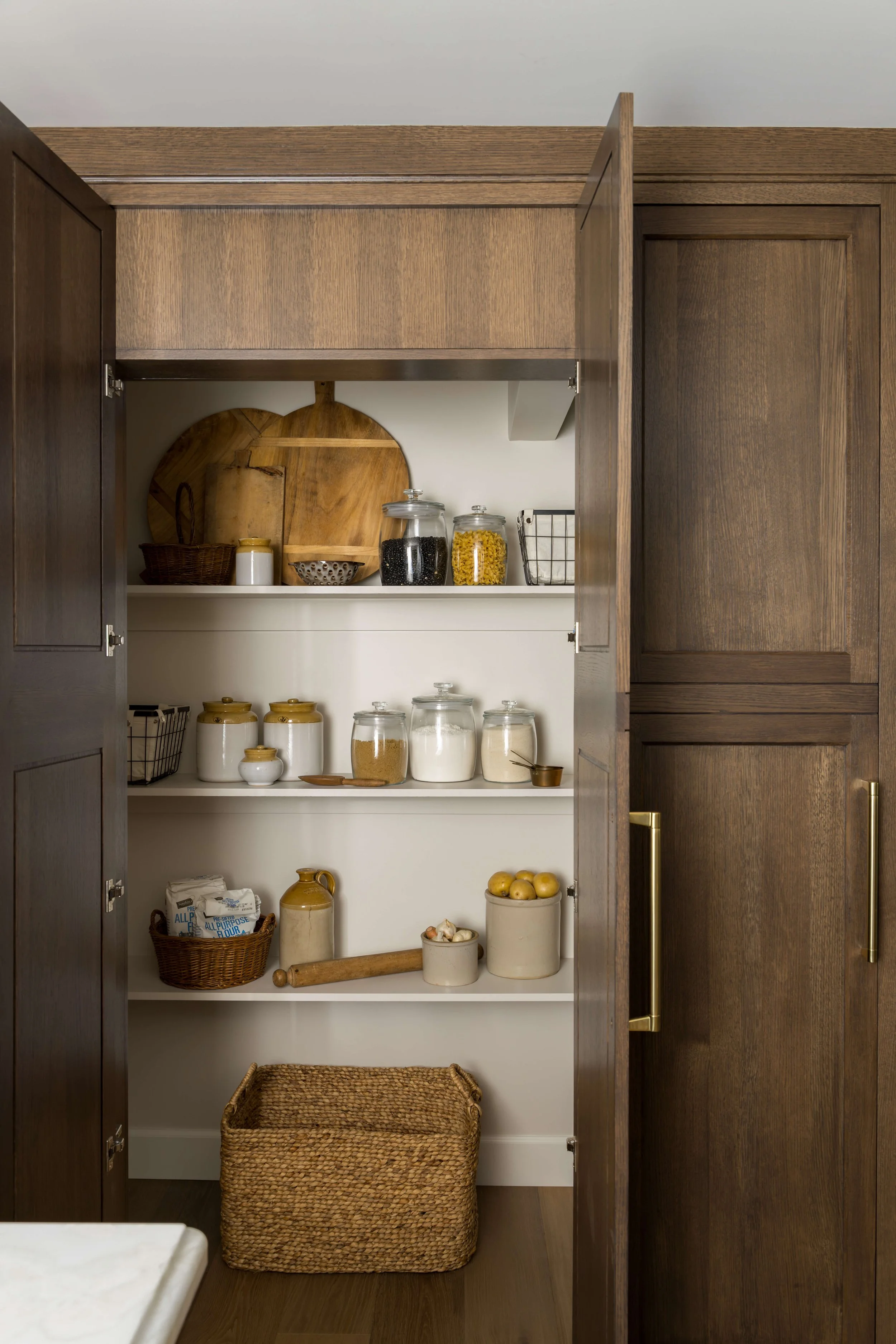
Every cabinet is built specifically for the home. Fillers become unnecessary because cabinets are sized precisely to the room. Appliance garages, integrated refrigeration, custom storage solutions, furniture details, hidden charging stations, and architectural millwork all become possible.
Rather than forcing the kitchen to fit standardized cabinet dimensions, the cabinetry is designed around the home itself.
For luxury remodels throughout Granite Bay, Fair Oaks, El Dorado Hills, and East Sacramento, this flexibility often creates a finished product that feels noticeably more refined.
Hardware Matters More Than Most Homeowners Realize
Ask any experienced cabinetmaker where to spend extra money, and many will point toward hardware.
Premium drawer slides and concealed hinges from manufacturers like Blum, Salice, Grass, and Hettich often determine how the cabinetry feels every single day. Smooth drawer operation, precise adjustment, integrated soft-close mechanisms, and long-term reliability may seem like small details, but they're among the features homeowners interact with most frequently.
Beautiful cabinetry deserves hardware that performs at the same level.
Our Perspective
At Tankersley Build Co., we believe cabinetry should be evaluated as a complete system rather than a collection of individual features. Construction method, interior materials, finish quality, hardware, design flexibility, and installation all work together to determine long-term performance. Focusing on only one characteristic—whether that's plywood construction or a particular door style—often leads homeowners to overlook the qualities that truly separate exceptional cabinetry from average products.
As we've highlighted in the annual Tankersley Remodeling Index, homeowners continue to prioritize investments that improve daily living rather than simply following short-term trends. High-quality cabinetry is one of those investments. When thoughtfully designed and professionally built, it becomes more than storage. It becomes the foundation of a kitchen that functions beautifully for decades, while adding lasting value to the home.