
Why Hiring an Interior Designer Will Actually Save You Money (and Heartache)
If you ask homeowners where they're hoping to save money during a remodel, one answer comes up more often than almost any other.
"Do we really need an interior designer?"
It's an understandable question. Between Pinterest, Instagram, Houzz, and thousands of beautifully photographed kitchens online, it has never been easier to find inspiration. Most homeowners already have a pretty good idea of the style they like before they ever meet with a contractor. They know they prefer white oak cabinetry over painted cabinets, they're leaning toward quartzite instead of quartz, and they've already saved dozens of photos of kitchens they hope to recreate.
From the outside, it can feel like the hardest part of design has already been done.
What many homeowners don't realize is that collecting inspiration and designing a home are two completely different things.
After completing hundreds of luxury remodels in Granite Bay, El Dorado Hills, Fair Oaks, Folsom, Loomis, East Sacramento, and the surrounding Sacramento region, we've become convinced that hiring an experienced interior designer is rarely an added expense. More often, it's one of the best financial decisions a homeowner makes because the value of great design has very little to do with selecting beautiful finishes. It comes from preventing expensive mistakes before they ever have the opportunity to happen.
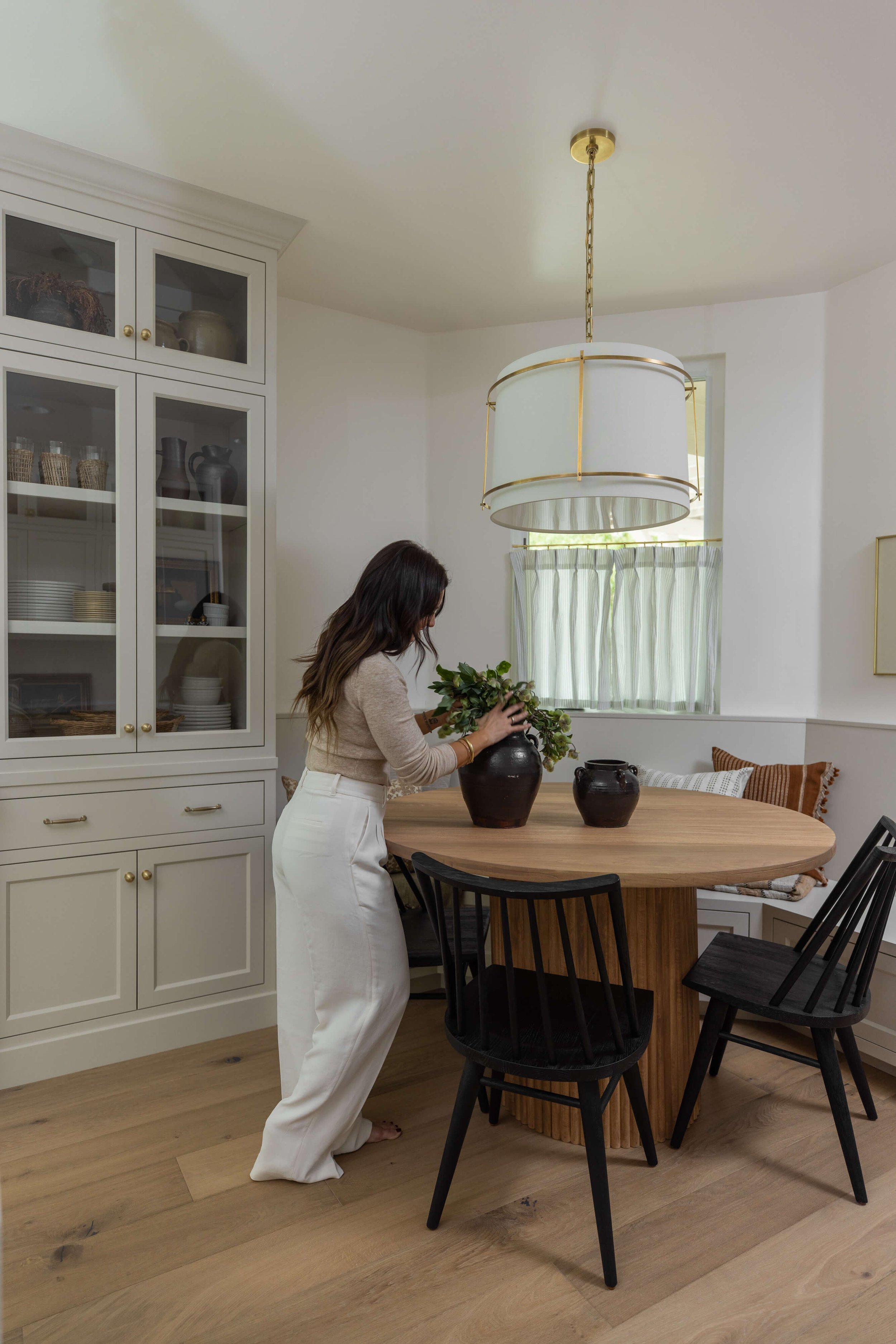
Great Design Is About Solving Problems You Don't Know Exist
One of the biggest misconceptions about interior designers is that their job begins with selecting paint colors and ends with choosing decorative finishes. While they certainly help homeowners make those decisions, the most valuable work they perform is almost invisible.
An experienced designer is constantly asking questions most homeowners would never think to ask. Is the island proportioned correctly for the size of the room? Will there be enough space to comfortably walk around it when stools are occupied? Does the refrigerator door interfere with the pantry? Will afternoon sunlight change the appearance of the flooring? Is the range hood properly scaled to the cabinetry? Does the lighting plan support the way the room will actually be used, or does it simply illuminate it?
Individually, those decisions seem relatively small. Collectively, they determine whether a home feels intentional or simply remodeled.
One of the comments we make surprisingly often after walking through completed homes is that we can immediately tell when a talented designer has been involved. It isn't because the materials are necessarily more expensive. In many cases they're not. The difference is that everything feels connected. Every room relates naturally to the next, the proportions feel balanced, and nothing competes for attention. Great design has a quiet confidence about it. Most people can't explain why the home feels so comfortable; they simply know that it does.
That's not luck.
It's planning.
Most Expensive Remodeling Mistakes Never Make It Into the Finished Home
When homeowners think about remodeling costs, they naturally focus on visible purchases. Cabinets, appliances, countertops, flooring, plumbing fixtures, and lighting all receive careful attention because they're easy to see and easy to compare. What they rarely account for are the costs associated with changing direction after construction has already begun.
We've seen homeowners fall in love with a different appliance package after cabinetry has been ordered. We've seen plumbing fixtures change after rough plumbing was complete, lighting layouts revised after drywall was installed, and flooring selections altered after adjacent materials had already been purchased. None of those decisions are unreasonable. They simply become dramatically more expensive once construction is underway.
The irony is that these situations are almost always preventable.
Experienced designers force important decisions to happen when they're still inexpensive to change. They coordinate materials before they're ordered. They think through details before trades arrive on site. They help homeowners visualize the finished home long before the first wall is opened, allowing revisions to happen on paper instead of in the field.
One of the things we've learned over the years is that paper is remarkably inexpensive.
Construction is not.
Every hour invested in thoughtful planning has the potential to save days of unnecessary work later, and every decision finalized before demolition begins removes another opportunity for uncertainty during construction.
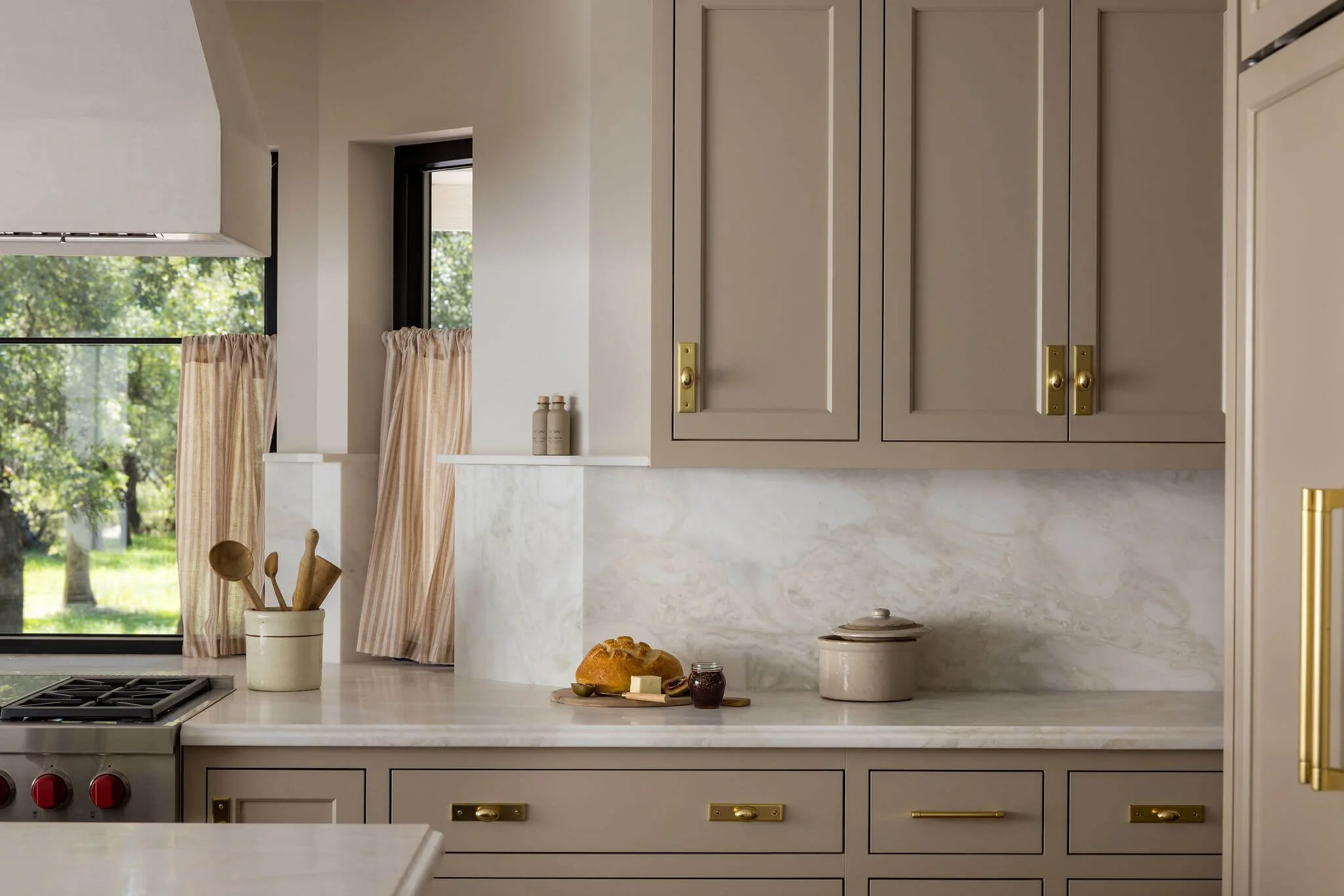
A Designer Helps You Spend Money Where It Actually Matters
There's another misconception that deserves to be challenged.
Many homeowners believe interior designers encourage clients to spend more money. In reality, the best designers often do the exact opposite.
Every remodeling budget has limits, even on luxury homes. Great designers understand that creating an extraordinary home isn't about selecting the most expensive product in every category. It's about knowing where quality creates meaningful value and where simpler solutions accomplish the same goal.
Sometimes that means recommending a less expensive backsplash because the natural stone countertop deserves to be the focal point of the kitchen. Sometimes it means simplifying cabinetry in secondary spaces so the budget can be invested in custom millwork where the family spends most of its time. Other times it means choosing timeless finishes that won't feel dated five years from now rather than chasing whatever happens to be popular on social media that month.
That perspective changes the conversation entirely.
Instead of asking, "How do we spend more?" the discussion becomes, "How do we spend smarter?"
The result is a home that often feels more refined, more cohesive, and more valuable—not because more money was invested, but because every dollar had a purpose.
Great Homes Are Never an Accident
Every beautiful home tells a story, but it isn't the story most people assume. Visitors notice the natural light, the warmth of the materials, the way one room flows effortlessly into the next, or how comfortable the home feels without immediately understanding why. They often credit the cabinetry, the countertops, or the architecture itself, when in reality those elements are simply the visible result of hundreds of thoughtful decisions made months before construction began.
At Tankersley Build Co., we've come to believe that great remodeling is less about building and more about decision-making. Construction is simply the process of bringing those decisions to life. That's why we encourage every client planning a major renovation to work with an experienced interior designer. Not because beautiful homes require expensive finishes, but because they require thoughtful planning, careful coordination, and someone whose job is to see the entire picture before anyone picks up a hammer.
As we've shared in the annual Tankersley Remodeling Index, homeowners consistently report greater satisfaction when projects emphasize planning over speed and thoughtful design over impulsive decision-making. Looking back, very few clients tell us they regret hiring an interior designer. Far more tell us they can't imagine having completed the project without one.