
Should You Live in Your Home During a Remodel? Here's How to Know When It's Time to Move Out
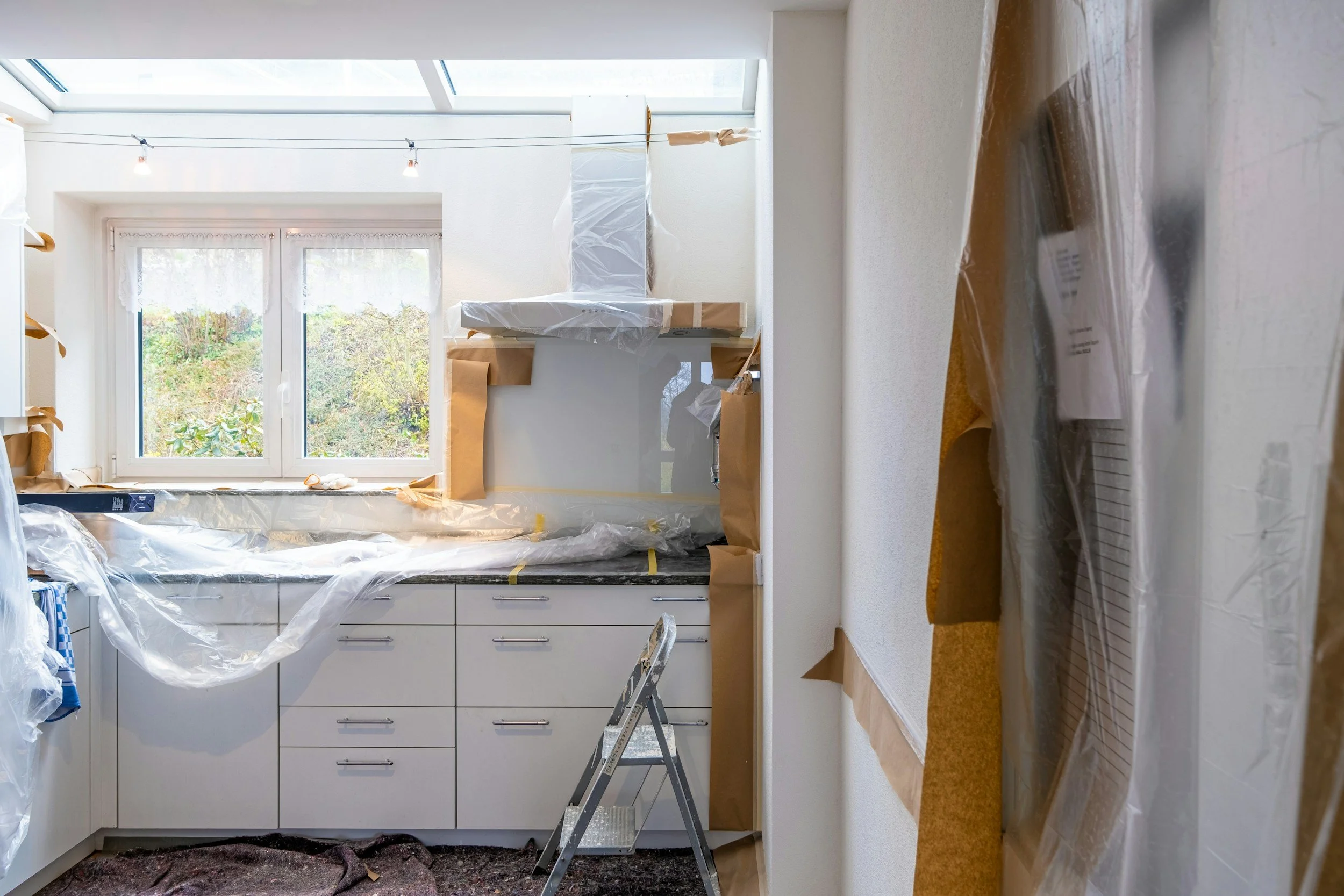
For many homeowners, the decision to remodel begins with exciting conversations about dream kitchens, larger family rooms, spa-inspired bathrooms, and finally creating a home that better reflects the way they live. Somewhere between selecting finishes and reviewing construction schedules, however, another question inevitably surfaces.
"Can we just stay in the house while all of this is happening?"
On the surface, the answer seems obvious. Why spend thousands of dollars on a short-term rental when you already own a perfectly good home? It feels practical to stay put. You're close to the project, you avoid moving twice, and you assume you're saving money. It's one of the most common assumptions we hear from homeowners preparing for a luxury remodel in Granite Bay, Fair Oaks, El Dorado Hills, Folsom, Loomis, East Sacramento, and throughout the Sacramento region.
After completing hundreds of remodeling projects over the years, we've learned that the answer has very little to do with construction and almost everything to do with protecting your family. While every project is different, we've developed one simple guideline that has proven remarkably reliable. If your remodeling investment exceeds roughly one-third of your home's value, it's usually time to move out. It isn't a hard rule, but it reflects the point where a project typically becomes large enough to affect every part of daily life. Once construction reaches that scale, remaining in the home rarely provides the advantages homeowners expect.
The reason is simple. A project representing one-third of your home's value is almost never limited to replacing cabinets or updating a single bathroom. It usually involves removing walls, relocating plumbing and electrical systems, replacing flooring throughout the home, upgrading HVAC equipment, rebuilding kitchens and bathrooms, installing new windows, or making structural changes that affect how the entire house functions. Even if only certain rooms are under construction, the entire property begins operating like an active jobsite.
That reality is difficult to appreciate until construction actually begins.
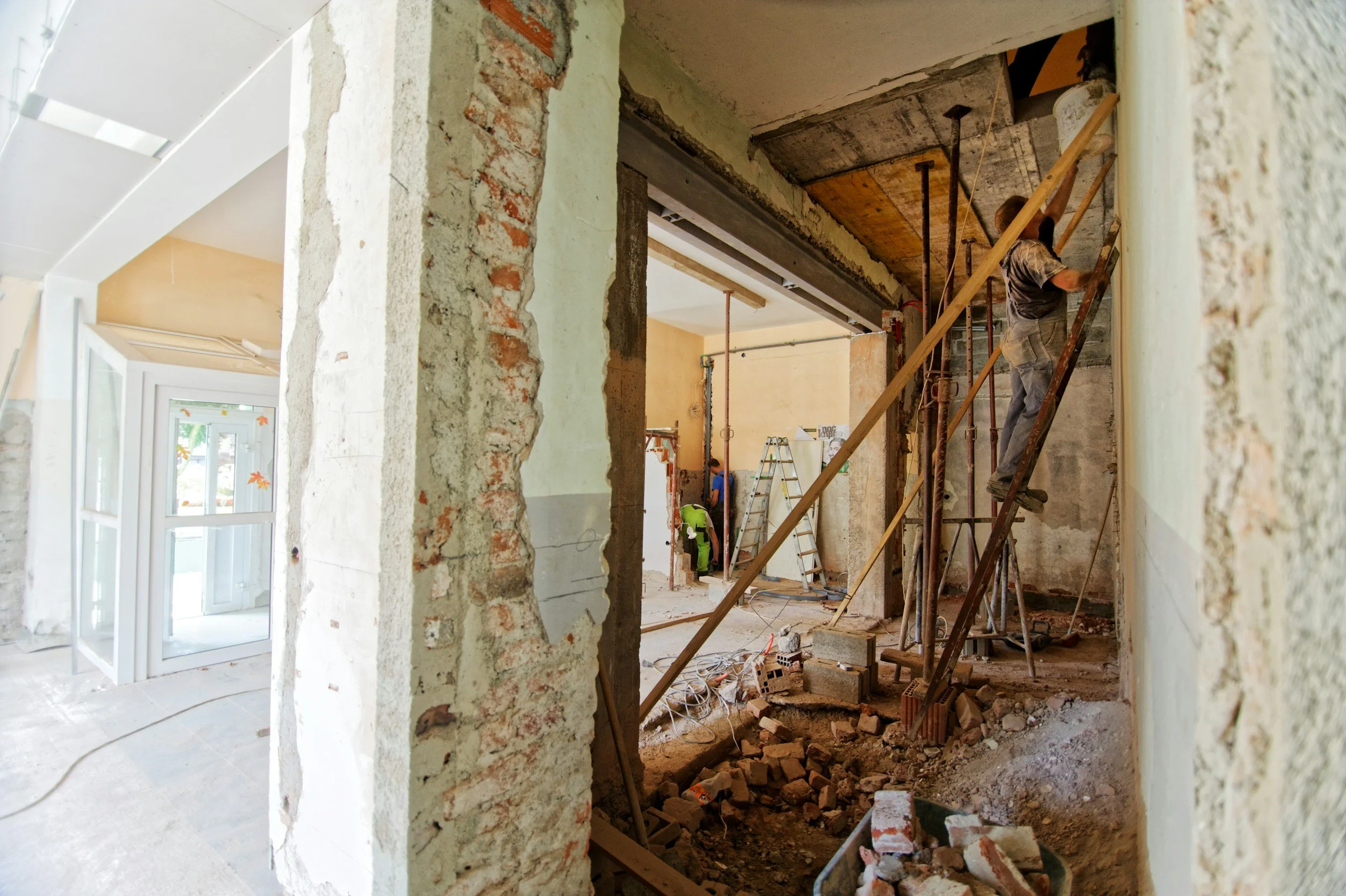
Most homeowners picture crews working neatly behind temporary plastic walls while life continues almost as normal. In practice, remodeling doesn't happen room by room in isolation. Electricians, plumbers, drywall crews, flooring installers, painters, cabinet installers, countertop fabricators, and finish carpenters all move throughout the house over the course of the project. Materials arrive daily. Deliveries block driveways. Temporary power shutoffs become necessary. Water may be unavailable for portions of the day. HVAC systems are disconnected. Dust, despite every effort to contain it, has an uncanny ability to find its way into closets, bedrooms, and places that seem impossible to reach.
None of these inconveniences sound overwhelming on their own. Together, however, they gradually change the rhythm of everyday life. Morning routines become more complicated. Dinner revolves around whatever temporary kitchen can be assembled in the garage or laundry room. Children lose the consistency that makes home feel comfortable. Pets become anxious as unfamiliar people enter and leave throughout the day. Working remotely becomes increasingly difficult as demolition, compressors, and power tools replace the quiet environment that once existed.
By the third or fourth week, many homeowners realize they are no longer simply living in their home.
They're living on a construction site.
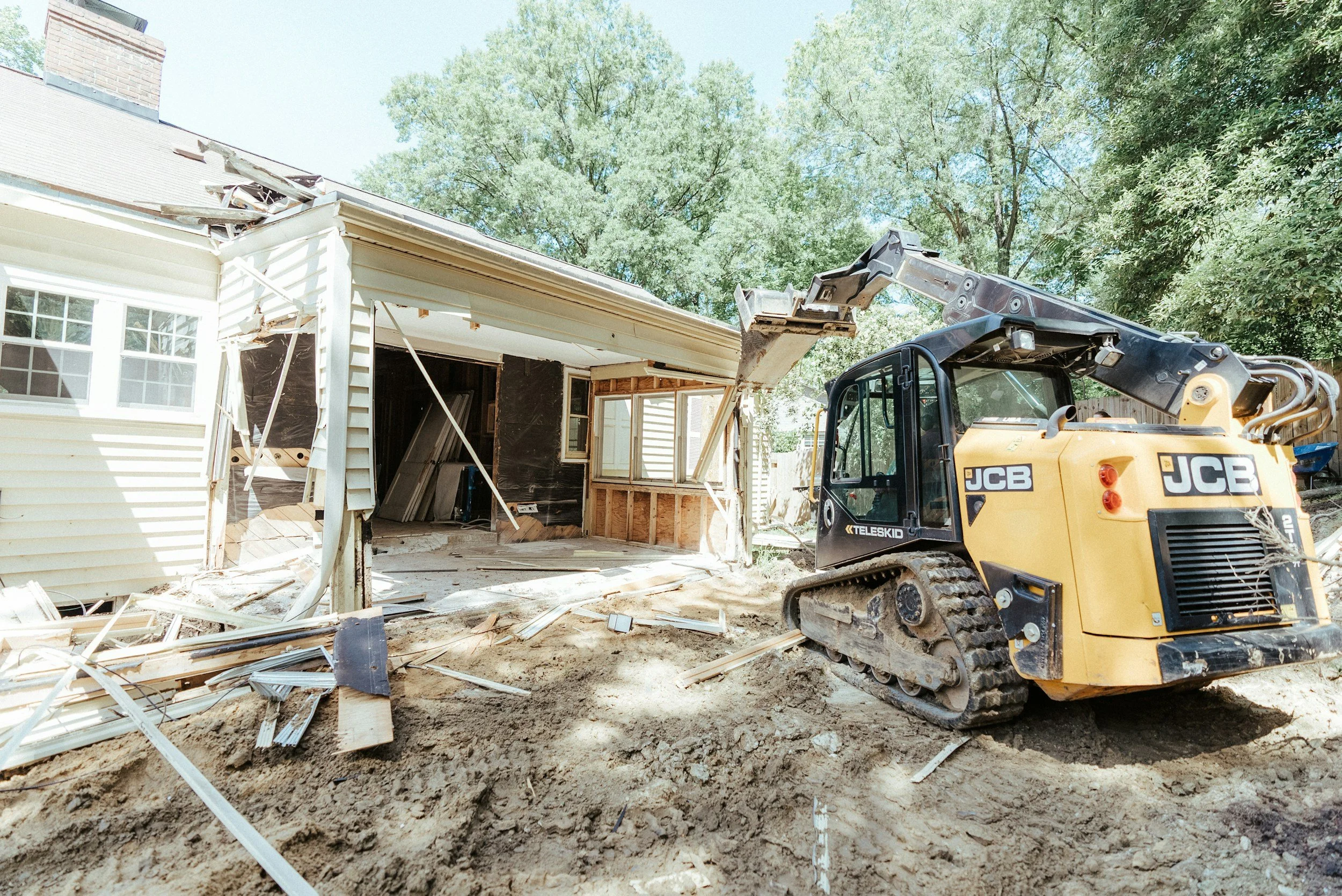
Ironically, the decision to stay often begins as an attempt to save money. On paper, it seems reasonable. Spending several thousand dollars on a furnished rental feels unnecessary when that money could instead be invested in upgraded appliances, better countertops, or custom cabinetry. What homeowners rarely calculate are the hidden costs created by occupying the home during construction.
An occupied project almost always requires additional coordination. Contractors must work around sleeping children, family schedules, pets, home offices, and occupied bedrooms. Certain phases of construction are postponed because access is limited. Furniture must be moved repeatedly instead of once. Temporary kitchens require additional labor. Protective barriers remain in place longer than they otherwise would. Production slows, not because anyone is working less efficiently, but because construction is now sharing space with everyday life.
Those delays have real financial consequences. Extended schedules increase supervision costs, prolong equipment rentals, delay subsequent trades, and often result in additional temporary protection throughout the home. More importantly, they extend the amount of time your family spends living in an environment that no longer feels like home.
We've found that homeowners often focus on the cost of moving out while overlooking the value of finishing sooner.
Today's housing options have also changed the equation. Ten or fifteen years ago, temporarily relocating often meant moving in with family or signing a lengthy apartment lease. Today, furnished executive rentals, month-to-month housing, and short-term vacation rentals have made temporary relocation dramatically easier. Families can often find comfortable accommodations close to home, allowing children to remain in the same schools while parents continue their normal routines with minimal disruption.
When viewed over the course of a six- or eight-month remodeling project, those costs frequently become far more reasonable than homeowners initially expect. More importantly, they buy something that cannot be measured on a spreadsheet.
They buy normalcy.
Your children continue sleeping in quiet bedrooms. Dinner happens around a kitchen table instead of a folding table in the garage. The dog isn't startled every morning by demolition. Your evenings revolve around family instead of discussing tomorrow's construction schedule. While your future home is being transformed, your current life continues with remarkably little interruption.
From the contractor's perspective, the benefits are equally significant. An unoccupied home allows trades to work longer, sequence work more efficiently, and maintain momentum without constantly navigating around occupied spaces. The home becomes what it needs to be for a few months—a dedicated construction site—allowing everyone to focus on delivering the highest quality finished product.
That doesn't mean every remodeling project requires moving out.
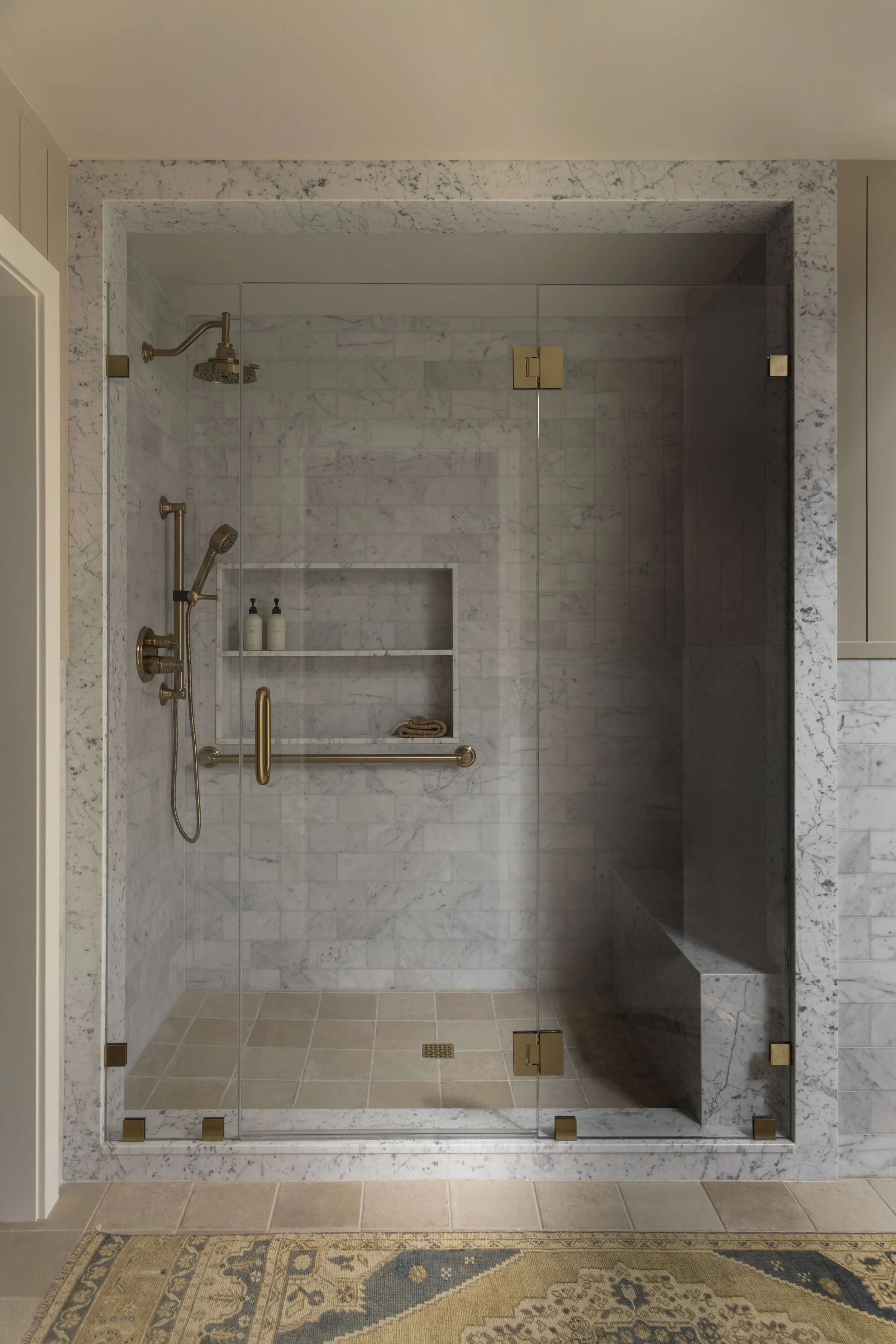
A guest bathroom renovation, a cosmetic kitchen refresh, or replacing flooring in several rooms can often be completed while the family remains comfortably in the home. The key is understanding the difference between inconvenience and disruption. Living through a powder room remodel may require temporary adjustments. Living through a whole-home renovation changes nearly every aspect of daily life.
One of the conversations we have with every client is that remodeling should improve your life, not simply your house. That philosophy begins long before cabinets are installed or paint colors are selected. It starts with making decisions that protect your family's experience throughout construction.
We've watched homeowners push through months of inconvenience because they believed staying was the financially responsible decision, only to admit afterward that they wished they had moved out from the beginning. We've also watched families return to a completed home after several months away, excited to discover every finished detail at once instead of experiencing the project one dusty phase at a time. Those clients consistently describe the remodeling process differently. Instead of remembering months of disruption, they remember the excitement of watching their future home come together while continuing to enjoy their everyday lives.
That perspective has shaped the way we advise our clients today.
At Tankersley Build Co., we believe our responsibility extends beyond building beautiful homes. We are also responsible for protecting the experience that gets you there. Beautiful craftsmanship is expected. Clear communication is essential. Staying on schedule matters. But none of those things mean much if the process leaves your family exhausted by the time construction is complete.
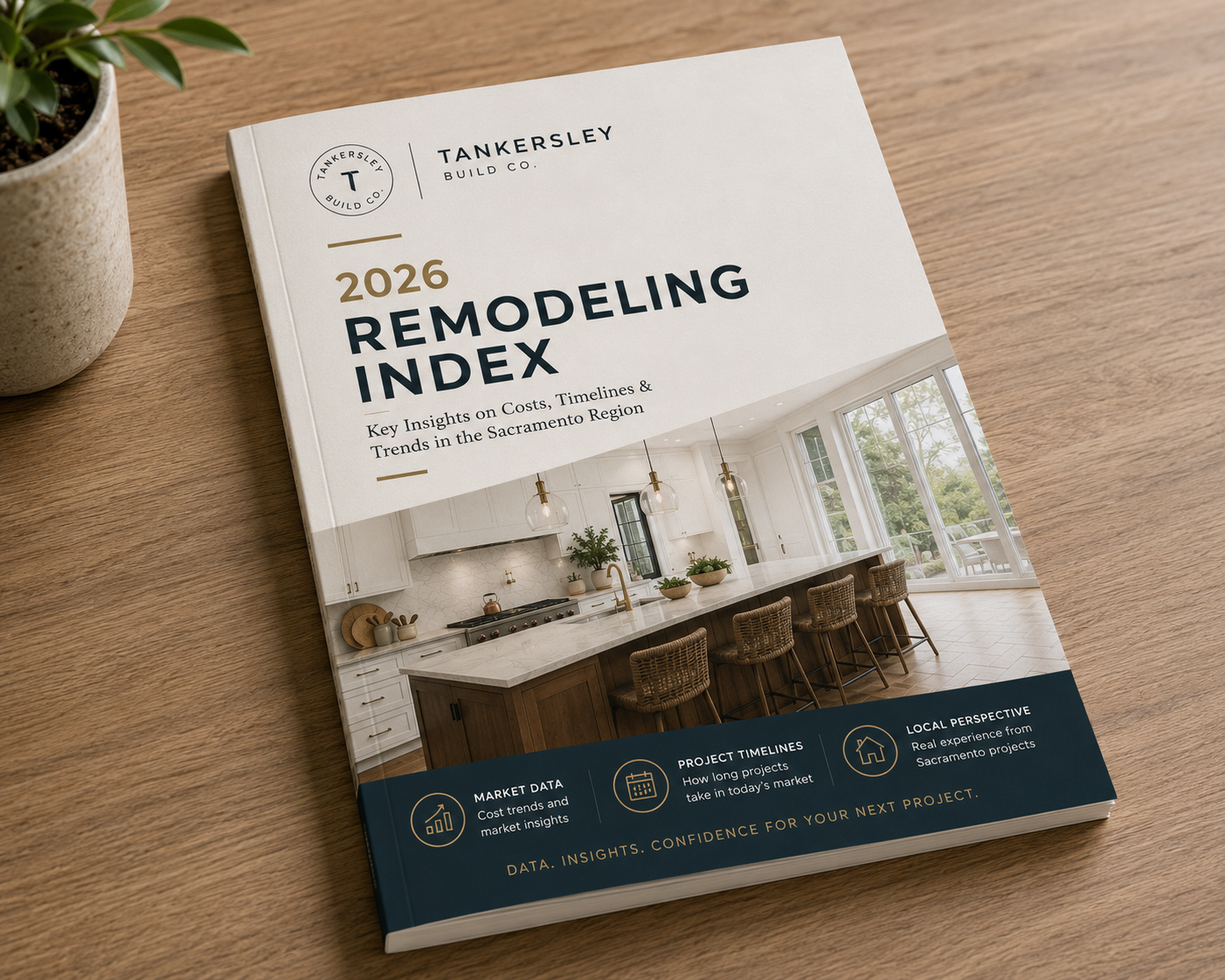
As we've shared in the annual Tankersley Remodeling Index, homeowners increasingly value certainty, communication, and overall experience just as much as the finished product itself. Choosing whether to stay or move out is one of the earliest decisions that influences all three. While every project deserves an individualized conversation, we've found that one simple rule continues to hold true: when your remodeling investment approaches one-third of your home's value, temporarily relocating is rarely an added expense. More often, it's one of the smartest investments you can make—for your project, for your schedule, and most importantly, for your family.